 kingpdc




product search
search
Flat, directional edge and dome PDC bit cutters cover separate bit positions, with samples available before a regular 7–15 day production cycle for the selected geometry and order quantity. Planar faces serve main cutting rows, directional edges support gauge cutting, and domed faces spread impact contact in down-the-hole service. Each composite cutter bonds diamond to carbide and shears rock when mounted on a rotating fixed-cutter bit.
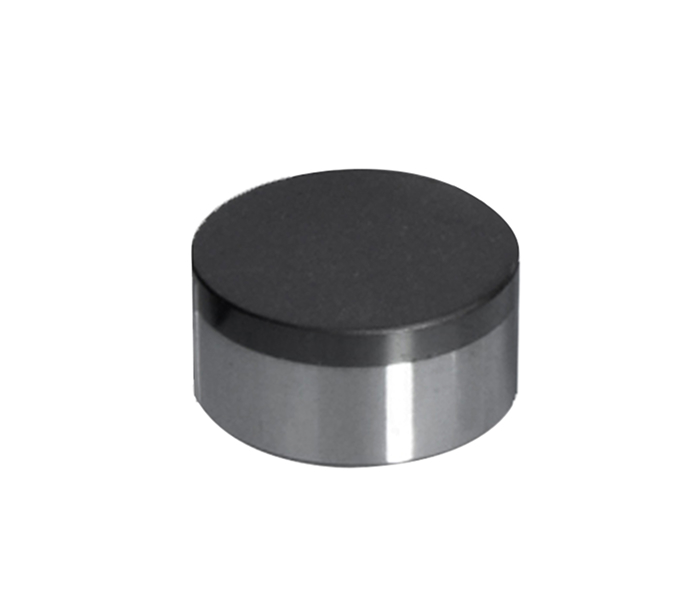
Three PDC bit cutter families cover planar cutting, directional gauge cutting and rounded impact contact in different drill-bit positions.
Flat cutters provide a planar working face; edge-shaped cutters add a directional gauge edge; domes use a rounded contact surface.
Evaluation samples can establish seat fit and cutting behavior before regular production. Routine production takes 7–15 days after the selected model, quantity and drawing are settled.
A sample can establish fit before a 7–15 day regular production cycle begins for the selected geometry and quantity.
A planar face shears rock at the main cutting row, while a directional outside edge can serve a gauge position.
A flat face is a general main-row cutter. A directional outside edge can cut at the bit gauge, where wear changes the finished hole diameter.
A domed working face spreads point contact during repeated impact. Its rounded exposure and seat must be designed for the hammer bit rather than copied from a planar cutter.
A domed face spreads impact contact in down-the-hole service, so its seat and exposure should follow the bit design rather than a flat-cutter drawing.
A PDC bit cutter is a composite cutting element, not the entire drill bit: a polycrystalline diamond layer is bonded to a tungsten carbide substrate.
The cutter is one component attached to a fixed-cutter bit body. It combines a polycrystalline diamond working layer with a tungsten carbide substrate that provides mounting support.
Weight on bit presses the exposed edge into rock; bit rotation moves the edge through the formation and produces rock chips by shearing.
Once mounted on the rotating bit, its exposed diamond edge shears rock and the carbide substrate supports the joint to the bit body.
This selection highlights flat, directional edge-shaped and dome PDC cutters from the broader range of cutting elements used in drill bits. These PDC cutters differ by working-face geometry, available diameter and intended bit position.
A planar cutting face shears rock while the carbide base supports brazed bit installation.
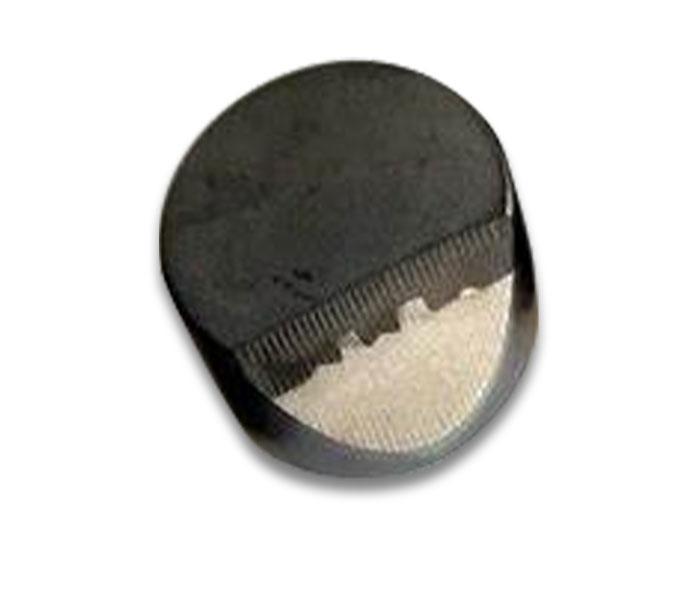
The shaped outside edge supports gauge cutting where bit diameter control matters.
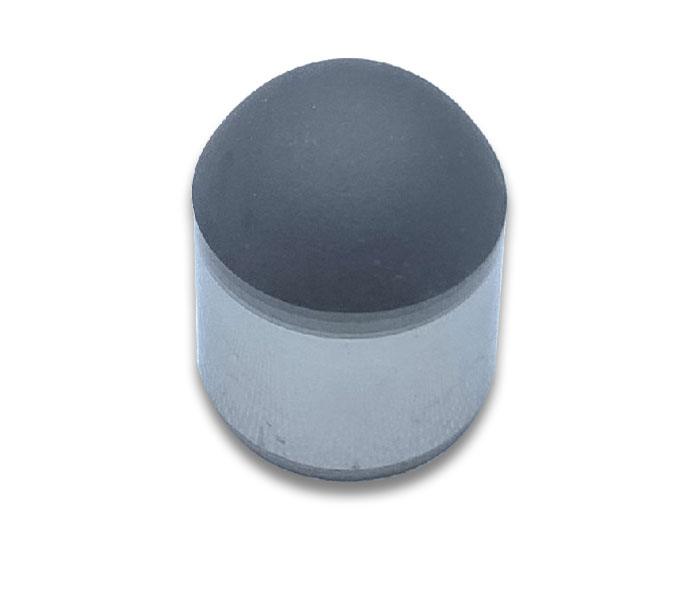
A dome distributes contact loads in impact-heavy drilling applications.
Samples support seat and cutting checks before a production order. Regular cutter production takes 7–15 days; shape, quantity and custom features can change the schedule.
Request a sample of the specified cutter geometry and diameter for bit-seat and duty testing. Sample quantity and price are quoted for the chosen model.
Orders specify model, diameter, height, diamond-layer option and quantity. Unit pricing and any minimum order quantity are stated in the written quotation.
Repeat production uses the same approved drawing and specification; the quotation identifies any quantity price break and the planned shipment date.
The regular production cycle is 7–15 days. Custom geometry, production volume and scheduling may change the confirmed dispatch date.
DHL and FedEx are available shipping channels. Destination and service selection determine the transit charge and delivery estimate.
The order identifies the cutter model, quantity and agreed drawing revision. Inspection details can be included with the lot documentation.
Diamond-end chamfer, cutter dimensions and working-face geometry can be discussed against a bit drawing or reference sample. Send the drawing, planned quantity and work email so the seat and cutter specification can be reviewed.
These answers cover mounting details and order records that depend on the selected cutter and bit drawing.
The cutter outside diameter, total height, substrate-end chamfer and seat clearance define the mounting fit. The bit drawing should identify the measurement datum.
A non-planar diamond face can have different local layer thicknesses. The order drawing identifies the measurement position so inspection readings refer to the same feature.
The diamond-end chamfer can be configured for the bit design. A drawing or sample identifies the angle, width and edge location for review.
An order can identify cutter model, drawing revision and dimensional checks so the supplied inspection record corresponds to the delivered lot.
A DTH dome cutter order uses dome radius, outside diameter, total height and mounting-seat geometry. These values control its exposed contact profile and interference fit.