 kingpdc




product search
search
A PDC bit is ready at the rig, and the connection is described as 6 5/8 REG. What torque should be applied before the bit goes downhole? The connection name is an important starting point, but it is not a complete makeup instruction. The correct setting belongs to the specified bit and mating assembly, with the conditions in their approved procedure.
That distinction matters because “6 5/8 reg pdc bit torque” can refer to two very different things: torque used to make up a threaded connection and torque observed while drilling. Mixing them up can turn an operating reading into an inappropriate assembly setting.
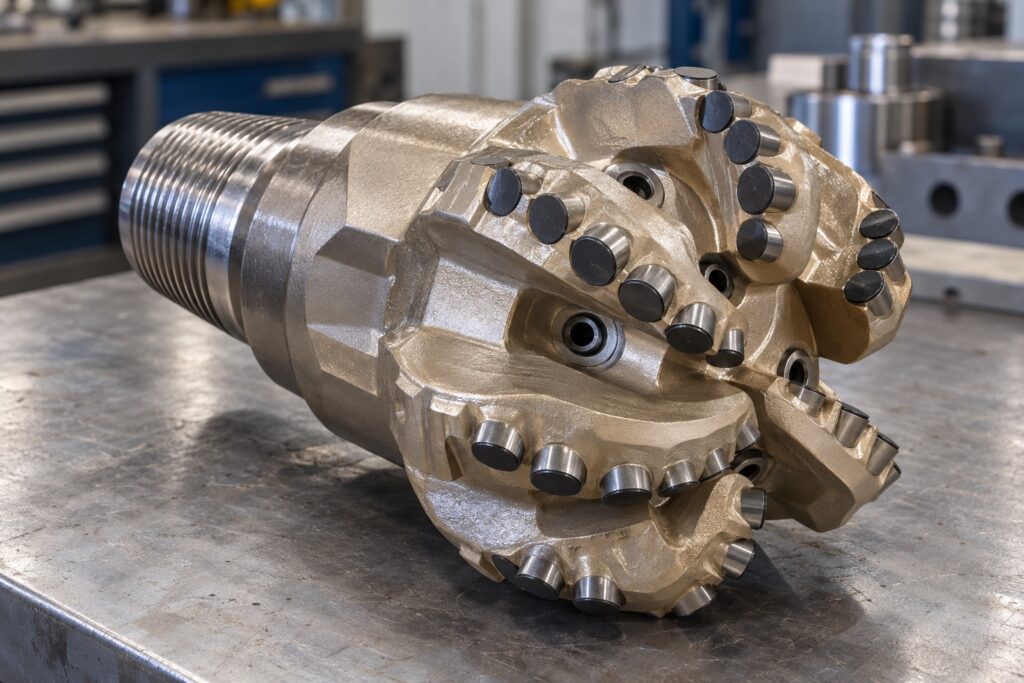
Check the bit marking, drawing, or supplied product record for the full connection designation. Then check the mating component. If either identification is unclear or the records disagree, resolve that discrepancy before selecting a torque value. A description in an email or an old job report is not a substitute for the actual connection documentation.
The threaded connection is part of the complete bit. It joins the bit to the drill string or downhole tool and transmits axial load, rotation, and drilling fluid. It is separate from the PDC cutters mounted on the blades. A cutter’s diameter, face shape, or material grade cannot establish the makeup torque of the bit connection.
Once both sides of the connection are identified, obtain the approved makeup specification for that bit and mating tool. Read it with its stated conditions, including the specified contact and thread preparation, compound, and torque application method. Inspect the threads and mating surfaces before assembly; damage, contamination, or an incorrect mating part is a reason to stop and check the procedure.
Apply the documented range with the equipment and sequence required by the procedure, and record the value actually applied. The record should also identify the bit, mating component, and procedure revision so a later reviewer can tell which assembly was made. If the approved instruction is unavailable, ask the responsible equipment supplier for the correct specification. A generic number copied from another connection or bit does not close that gap.
During drilling, torque is a response to cutting and to the behavior of the complete bottomhole system. The bit body and blades carry load to cutters held in blade pockets. Their diamond working faces engage the formation, while the cutter substrates and attachments transfer reaction forces back through the bit body. Cutter position, geometry, wear, and cleaning can all influence the torque seen during a run.
For that reason, a drilling torque trend cannot tell a technician how tightly to assemble the threaded connection. It should be reviewed with weight on bit, rotation speed, rate of penetration, vibration, fluid flow, and the condition of the bit after the run. A change in torque alone does not identify the failed component.
Before makeup, the handover should answer four questions in plain terms: What is the complete connection designation on the bit? What is the verified mating component? Which approved document gives the makeup setting for this pair? What preparation and application conditions does that document require? After makeup, retain the applied torque and the document used.
This is the reliable way to handle a 6 5/8 reg pdc bit torque request. The connection label guides identification, while the approved assembly specification supplies the setting. Keeping that setting separate from drilling torque makes both the rig procedure and later performance review easier to interpret.
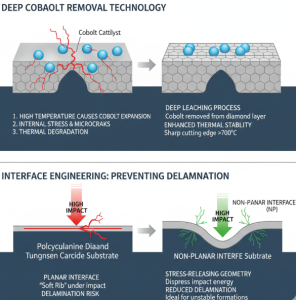
Maximize ROP With Our PDC Rock Cutter For Oil & Gas. Engineered For Impact Toughness & Thermal Stability.
View details
Learn How To Compare Pdc Bit Manufacturers On Price, Quality, Delivery And After Sales Support Before You Buy.
View details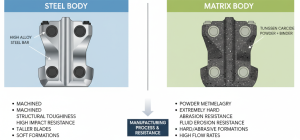
Master PDC Drill Bit Specifications: Body Type, Blade Count, Cutter Size & Hydraulic Design For Optimal ROP.
View details
Discover The Core Differences Between PDC And Tricone Bits. Learn Which Drill Bit Is Best For Your Formation.
View details