 kingpdc




product search
search
A crew preparing a PDC bit for a new run needs one torque setting for the threaded connection. Yet a phrase such as “6 5 8 reg pdc bit torque” does not, by itself, identify a safe number to put on the torque gauge. It leaves open the exact connection designation, the mating component, the condition of both threads, and which torque the person asking actually means.
The practical starting point is to identify the connection on the bit and its mating tool, then use the approved makeup instructions for that specific assembly. A number copied from another bit or a drilling report can describe a different operation entirely.
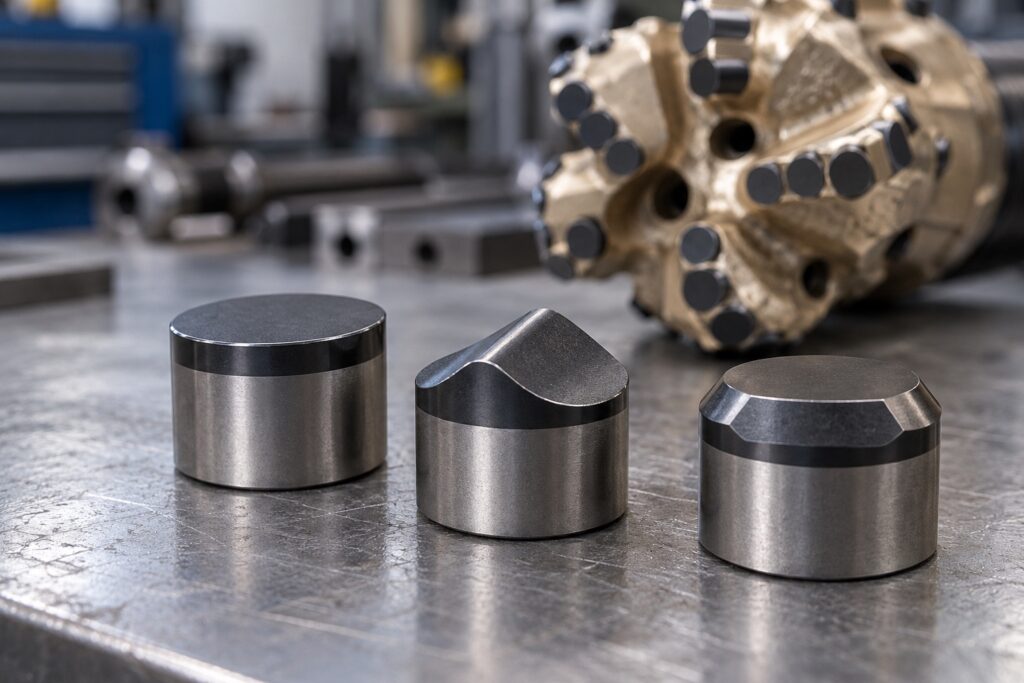
Makeup torque is applied while joining the bit’s threaded connection to the drill string or downhole tool. Drilling torque is the turning effort seen while the bit cuts rock. The threaded connection carries torque and axial load into the bit body. From there, the body and blades transmit cutting loads toward the PDC cutters.
The drilling torque can change as the cutters engage rock, wear, encounter a different formation, or begin to experience poor cleaning. It is an operating response, not an installation setting. A high or low value on a drilling log therefore cannot tell a technician what to apply during makeup.
The spaced wording in the query may be intended to describe a “6 5/8 REG” connection. Treat that as a point to verify, not a confirmed identification. Read the marking and the bit drawing, and compare them with the mating connection. Confirm the complete designation before consulting a torque procedure.
The connection is a feature of the assembled bit, not a size or performance rating of an individual PDC cutter. Cutter diameter, diamond-face shape, and blade layout matter to cutting behavior, but they do not supply a threaded makeup torque value. This distinction is especially useful when a product catalog describes cutters while the field question concerns a complete drill bit.
Start with the bit’s model, serial or drawing information, and connection designation. Check the mating tool as well. The two parts must be identified as a compatible connection pair before any torque value is selected.
Next, inspect the connection and follow the applicable assembly procedure. Thread condition, contact surfaces, and the specified compound and handling method belong in that check. Use the torque range and any conditions stated by the responsible bit or tool supplier for the exact assembly. If the documentation is missing or the markings disagree, pause the makeup and obtain the correct specification rather than estimating from the connection name alone.
Finally, record the applied value and the procedure used. That record helps separate an assembly issue from later changes in drilling torque. During the run, evaluate torque alongside weight on bit, rotation speed, rate of penetration, vibration, and the bit’s eventual wear pattern. A torque change alone does not prove that the threaded connection or the cutters have failed.
PDC cutters are mounted in pockets on the blades, commonly through their carbide substrates. Their diamond faces cut the formation, while the substrates, pockets, and attachment transmit load into the bit body. Cutter geometry and placement can alter cutting forces and the bit’s torque response in the formation. Worn cutters or poor cuttings removal may also change the torque seen during drilling.
Those design and operating effects are important for bit selection and troubleshooting. They should be assessed separately from the makeup instruction for the threaded connection. Keeping the two records separate makes both the field setup and any later performance review more reliable.
The useful answer to a 6 5 8 reg pdc bit torque query is therefore a verification path: confirm the exact connection, obtain the approved setting for the matching bit and tool, apply it under the specified procedure, and record it. Without those details, publishing a single numeric torque would give a false sense of precision.
Learn What Polycrystalline Diamond (Pcd) And Polycrystalline Diamond Compact (Pdc) Are, How Hpht Forms Them, And How Their Structure Affects Cutting Performance.
View details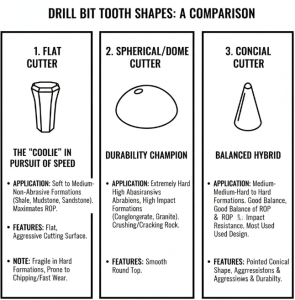
Avoid Costly Mistakes. This Article Shows You How To Match PDC Cutter Shape & Grade To Any Formation For Peak ROP.
View details
Learn How To Verify 6 5/8 Reg Pdc Bit Torque For Makeup And Distinguish It From Torque Measured While Drilling.
View details
PDC (Polycrystalline Diamond Compact) cutters are essential tools in industries like oil and gas, mining, and construction due to their durability and ability to withstand extreme drilling conditions. The performance, longevity, and cost-...
View details