 kingpdc


product search
search

The PDC bit manufacturing process includes: design and simulation, matrix processing (steel body machining or impregnated insert powder infiltration), tooth groove milling, cutting tooth brazing, and finally quality control (QC) before delivery.
For steel drill bits, the core is to “engrave” high alloy steel with multi-axis CNC machine tools to ensure that the structure is strong enough. The impregnated insert drill bit is sintered in a high-temperature furnace with tungsten carbide powder and metal binder, which focuses on a super erosion resistance. However, in the whole process, the most critical link to determine the life of the drill bit and prevent tooth drop is definitely brazing. This step is extremely demanding for temperature control (we usually use induction heating), silver-based solder applications, and dust-free environments. Only in this way can we ensure that the solder joints can withstand the impact and thermal stress of the underground.
It all starts with the design and simulation phase, which is basically a blueprint for a high-performance drill. Engineers use advanced CAD software to build a geometric model of the drill bit. What’s more important is to simulate the working state of the drill bit in the well in the computer. Through simulation, manufacturers can optimize hydraulic flow channels to ensure the efficiency of cooling and debris removal. The precise layout of the cutting teeth is also calculated in this step, in order to balance the load on the entire bit working surface. This “sequence of precise design” is to ensure that the subsequent physical manufacturing processes are based on a proven design that can achieve the highest efficiency.
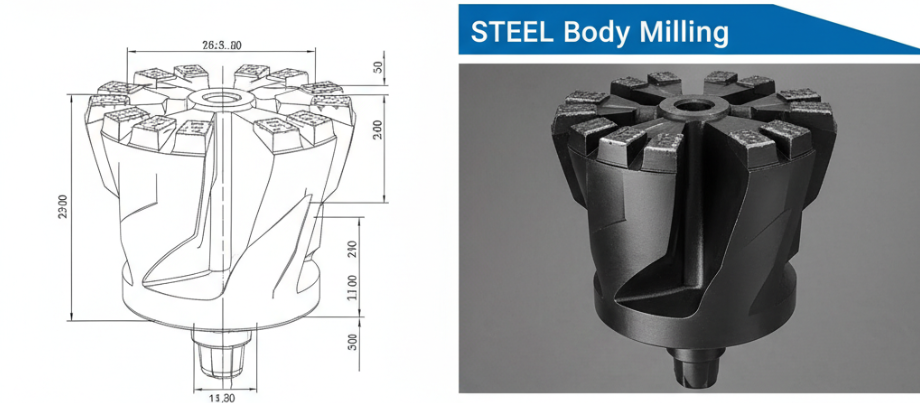
After the design is finalized, it enters the carcass manufacturing process. Depending on whether a steel drill or an impregnated insert drill is to be produced, the process route here will be divided into two completely different paths.
The manufacture of steel body drill bits relies heavily on subtractive manufacturing. The raw material is a block of high-alloy steel. The whole process is to use a multi-axis CNC machining center to mill complex blade geometry and fluid channels directly from the steel block. The choice of high alloy steel was carefully considered to provide the necessary ductility and structural integrity to ensure that the drill bit does not break catastrophically when subjected to high torque and impact loads.
In turn, impregnated insert bits are made by a molding process called “matrix powder infiltration.” This requires first making a mold for the drill design and then filling it with tungsten carbide powder. Next, a metal binder is introduced and the entire mold is placed in a high temperature furnace. At extremely high temperatures, the binder melts and penetrates into the carbide powder, fusing them together.
This process produces a composite material that provides excellent erosion resistance. In my opinion, this makes impregnated bits ideal for abrasive formations where fluid erosion is a major problem.
Whether the carcass is a machined steel body or a powder impregnated insert, the next step is tooth groove milling. Although the overall shape of the blade has been formed in the previous stage, the specific socket used to place the PDC cutting tooth (I. e., the tooth slot) requires extremely high precision. At this stage, the machining equipment processes these tooth slots to the exact tolerances required by the design drawings. The surface finish and dimensional accuracy of the cogging are critical. If one slot is milled incorrectly, the cutting teeth will not be properly seated, which will directly endanger the structural strength of the final product. This link can be said to be a bridge between the rough machining of the carcass and the installation of the key cutting teeth.
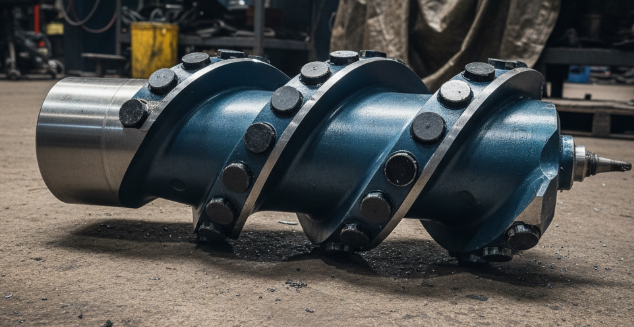
The fourth stage, cutting tooth brazing, which is the most critical factor in determining the life of the drill bit, especially in relation to the problem of preventing tooth drop. This process is the welding of polycrystalline diamond compact (PDC) cutting teeth into the milled tooth groove. In order to obtain bond strength that can withstand the harsh drilling environment, we must use precise temperature control, usually by induction heating. This method can achieve local heating, while melting the silver-based solder, without damaging the diamond layer of the cutting tooth due to overheating. What’s more, the whole process must be carried out under strict dust-free workshop conditions. Any contamination on the brazing surface, such as oil, dust or oxides, will weaken the strength of the weld. In my experience, by maintaining a pure environment and precisely controlling the heat input, manufacturers can ensure that the weld is strong enough to withstand the impact and thermal stress downhole, thereby preventing expensive job failures caused by downhole tooth loss.
As a final step, before the drill bit leaves the factory, the quality inspector will conduct a comprehensive inspection to ensure that it meets all design specifications. This includes verifying the gauge of the drill bit, checking the integrity of the brazed points, and ensuring that all hydraulic nozzles are free of blockages. The QC team will check the steel body or the impregnated body for any defects and ensure that the cutting teeth are not damaged due to brazing heating. Only after passing these rigorous inspections will the PDC bit be approved for shipment, demonstrating that it is ready to deliver the performance promised during the initial design phase.
Author: Aiden
With over a decade of experience in the downhole drilling industry, I specialize in the engineering and production of high-performance PDC tools. My expertise centers on optimizing the PDC bit manufacturing process, from proprietary design simulation to the critical metallurgy of cutter brazing. I am dedicated to sharing technical insights that help drilling professionals understand the precision behind every foot drilled.
This will close in 0 seconds